place

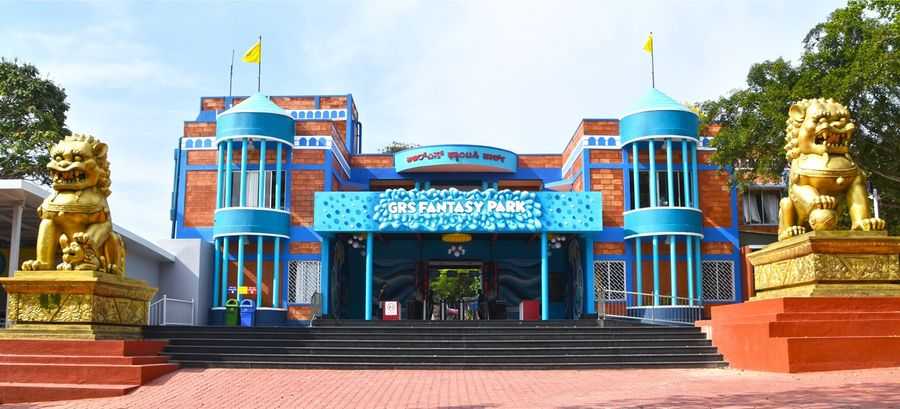
GRS Fantasy Park

GRS Fantasy Park

Located just 15 minutes from Mysore, GRS Fantasy Park is an amusement and water park that serves as a quick weekend outing for the people of Mysore and surrounding towns. Set amidst lush green landscapes on the Mysore-Bangalore highway, the park has served for over 13 years. It offers some fun rides and activities making it a perfect spot for friends and families to hang out.


GRS Fantasy Park offers numerous thrilling fun rides and multipurpose play system for kids and adults. Water games and kid’s pool are the main attraction of the park. There are many inbuilt games at Amazonia which is an interactive river. The park has facilities such as lockers, changing rooms, restaurants, gift shop, amphitheatre and a gift shop.

Top Rides of GRS Fantasy Park

  • GRS Fantasy Park is a huge park sprawling across a vast area of 30 acres. It is so planned and designed so as to cater numerous water and other fun rides as well as a location for a myriad of activities. The three main attractions of GRS Park include:-

    1. Thrill Rides: As the name suggests, Thrill Rides are the best way to get your adrenaline pumping. These include Dragon’s Den which takes you through the Jurassic ages, Columbia, Aqua Tornado, Aqua Racer, Amazonia which simulates a ride through the Amazon Rainforest, Pendulum Slide, Freefall Crazy Crusie, Wavy Crazy Cruise and Music Bob which is a musical water ride.

    2. Family Ride: Have a fun-filled day with family at the Family Ride section of GRS Park, which has amazing rides such as Hawaiian Paradise interactive water systems, Swing Chair, Dashing Car, Snow Sledge, Float Slide, Red Indian Falls, Jal Tarang, Aqua Dance Floor, Lazy River, 5D Virtual, Telecombat, Rock Climbing, Thunder Slide, Catapult and Multilane Slide.
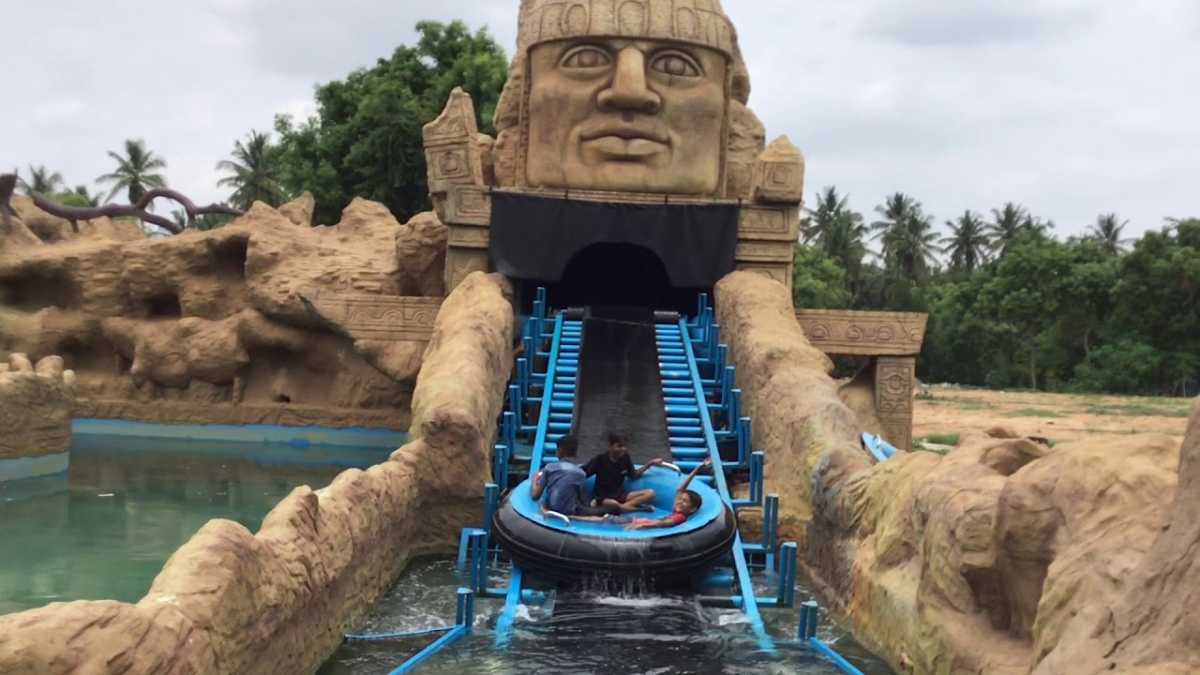
    Amazonia Ride

    3. Kids Ride: GRS Park has special provisions to keep your little ones entertained for hours. Some of these include Carousal, Caterpillar, Baby Train, Mini Aqua Bowl, Ramp Slide, Play Area, Kid’s Pool, Aqua Trail and Atlantis.
Tips For Visiting GRS Fantasy Park

1. Be careful while taking any water ride or any other adventure ride at the amusement park.
2. Follow all the instructions and guidelines of the amusement park.
3. Food and beverages are not allowed inside the park.

How To Reach GRS Fantasy Park

The amusement park being only 15 minutes drive from the city of Mysore, you can easily find auto-rickshaws and buses to reach the destination. Taxis are also readily available if convenience and comfort are your priority.

Ranganathittu Bird Sanctuary

Ranganathittu Bird Sanctuary

Located in Karnataka, the Ranganathittu Bird Sanctuary in Srirangapatna is a haven for bird watchers as it houses a wide array of bird species. It is the largest bird sanctuary in the state and comprises of six small islands on the banks of the river Kaveri. The scenery of the local vegetation and landscape, coupled with the colourful species of birds makes it a unique learning experience for visitors of all ages and interests. This destination offers many things to do for its tourists; the most popular ones include bird watching, boating, and some good old nature photography.


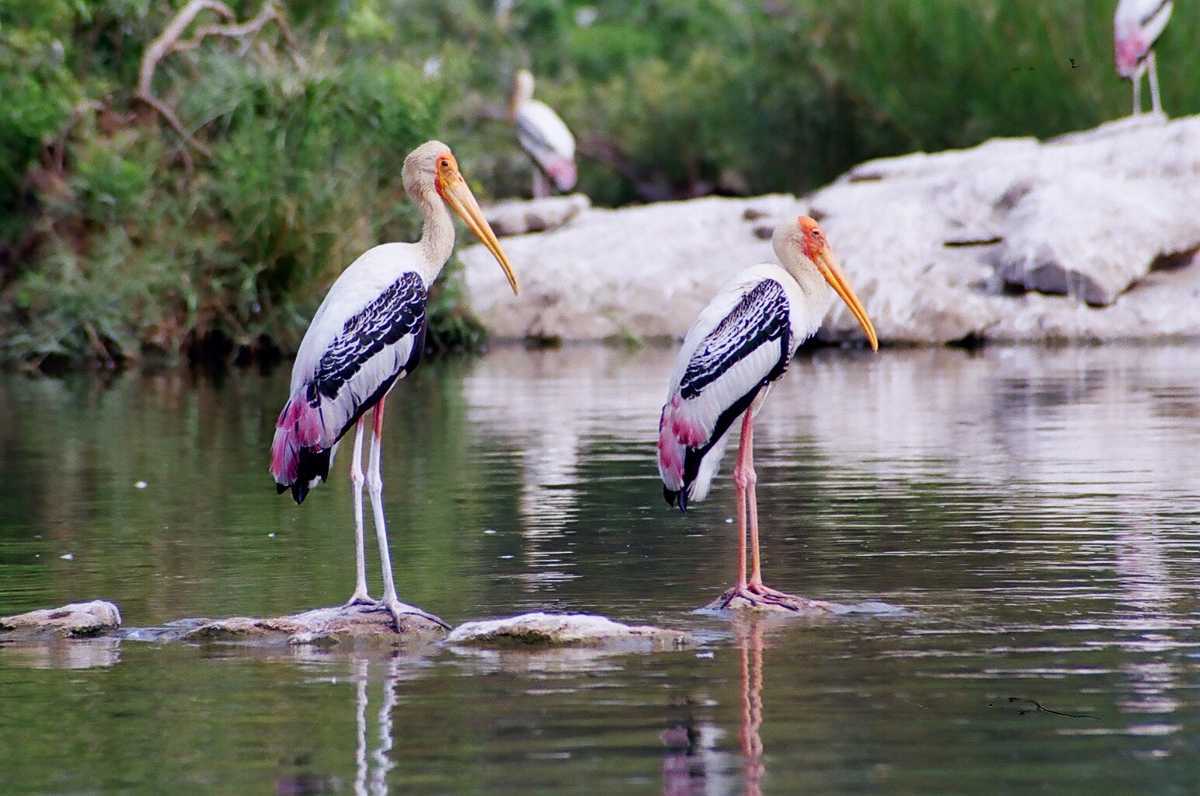
Out of the 170 species of bird that reside here, the most notable ones are the Painted Stork, Common Spoonbill, Asian Openbill Stork, Black-headed Ibis, and Woolly-necked Stork. This biodiversity hub also houses many small animals such as the Bonnet Macaque, Flying Fox and small mammals like common palm civet, Indian grey mongoose and the monitor lizard. Ranganathittu Bird Sanctuary is the perfect place to relax and unwind in the lap of nature and the company of family and friends.

Boating at Ranganathittu Bird Sanctuary

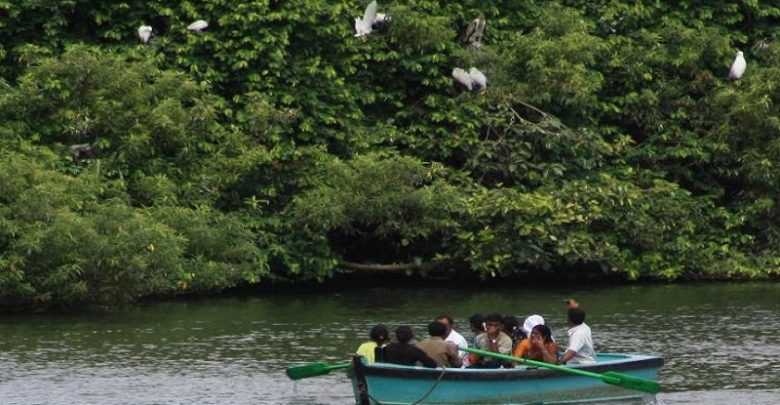
Since the sanctuary is located on several islets, the boating activity here is quite interesting. There can be no better way to experience the beauty of this destination than its exquisite boat ride. As you row your boat in the waters of the Kaveri river, you can spot a wide variety of birds flapping their wings away. Crocodiles and bats also make appearances, along with some wild otters. 


The price of this activity is INR 50 per head for Indian adults, INR 25 per head for Indian children while foreign tourists will have to shell out INR 300 per head to experience the same.

History of Ranganathittu Bird Sanctuary

The islands, which are a distinctive feature of the Ranganathittu Bird Sanctuary, were formed as a result of the building of an embankment across the Kaveri river in the year 1648 by Mysore King Kanteerava Narasimharaja Wadiyar. At that time, an ornithologist by the name of Salim Ali noticed that the islets were an important nesting ground for a number of endemic birds and requested that the region is declared a bird sanctuary. As a result of his persuasions, the region was declared a protected one in the year 1940.

Fauna at Ranganathittu Bird Sancturay

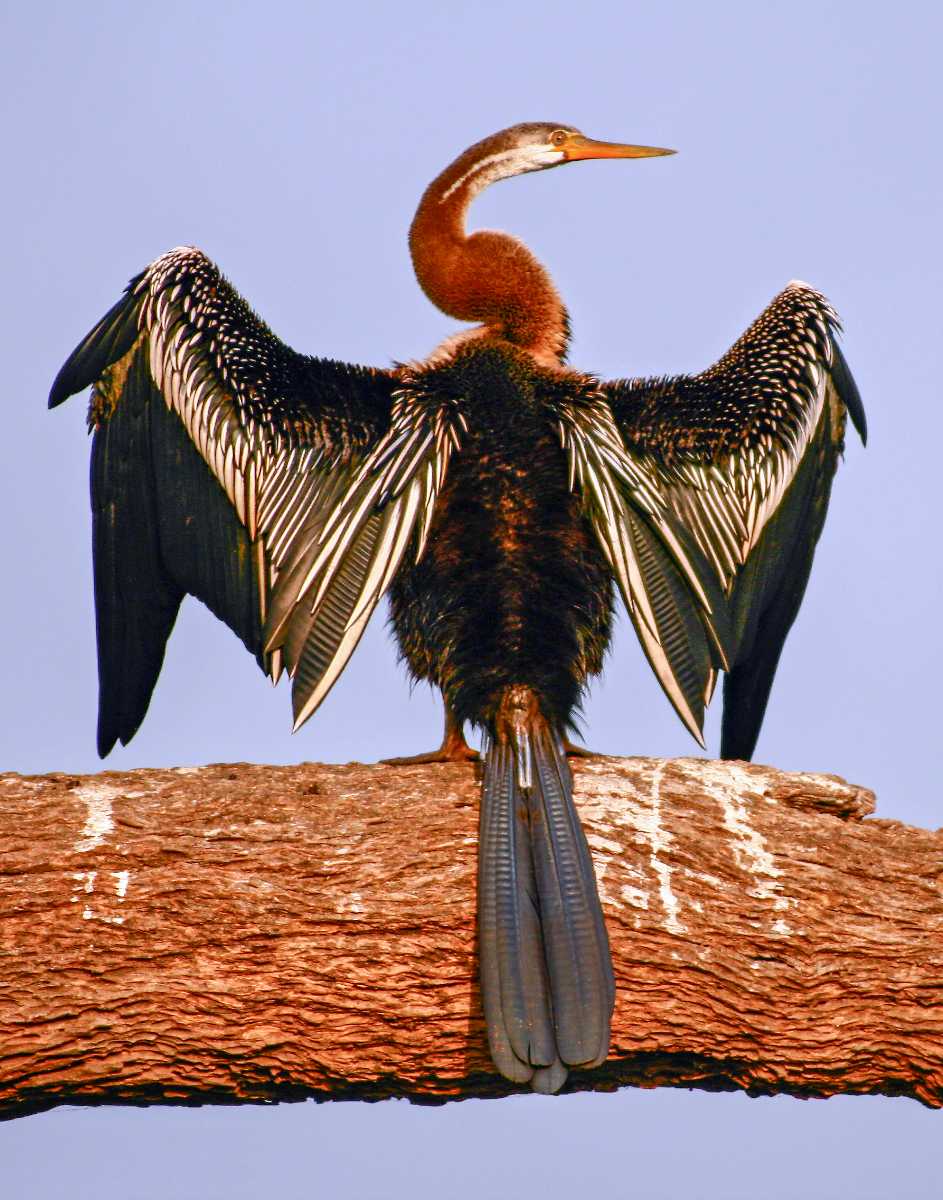
Oriental Darter

Among the birds that are found here, the most notable ones include painted stork, Asian openbill stork, common spoonbill, woolly-necked stork, black-headed ibis, lesser whistling duck, Indian Shag, Stork-billed Kingfisher, egret, cormorant, Oriental Darter, spot-billed pelican, heron, great stone plover, and river tern, Streak-throated swallows, and pelicans. Winter months see a migration of birds from Siberia, Latin America, and parts of north India to Ranganathittu Bird Sanctuary.

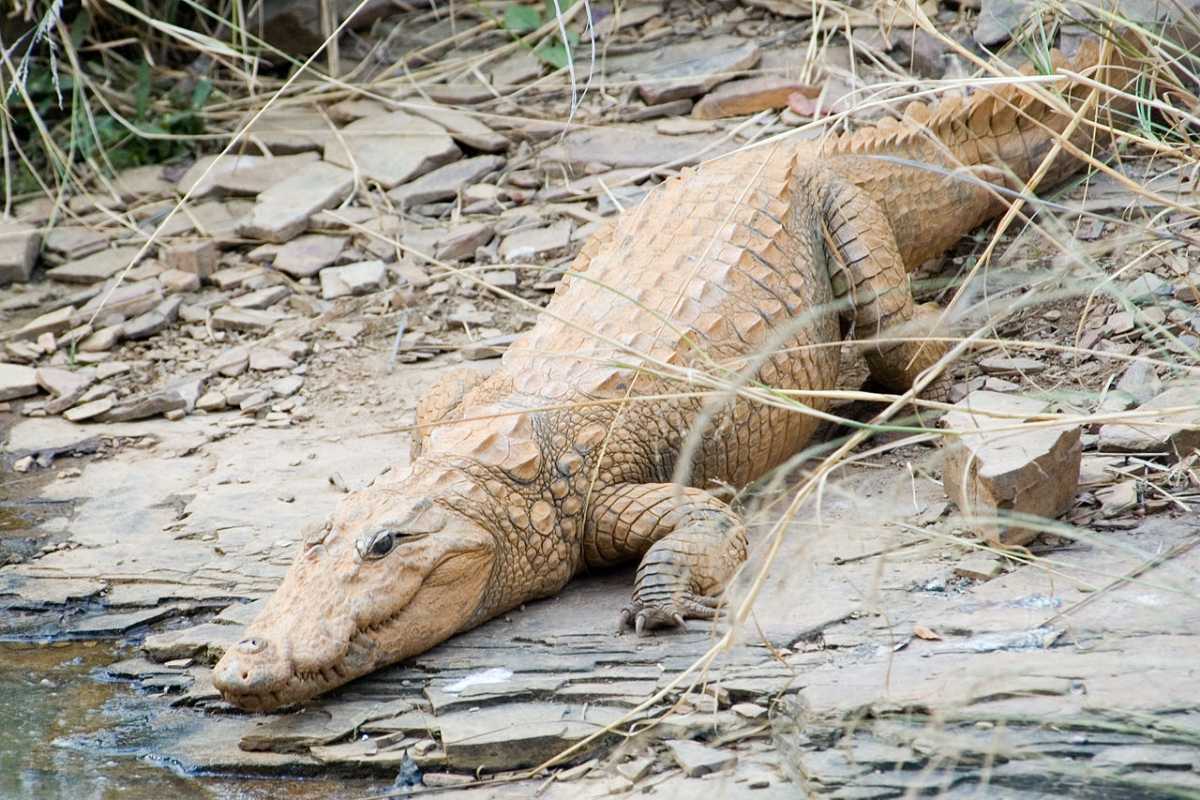
Mugger Crocodile

A number of smaller creatures like bonnet macaque, flying fox, common palm civet, Indian grey mongoose, monitor lizard, and mugger crocodile also call this sanctuary home.

How To Reach Ranganathittu Bird Sanctuary

The best way to reach Ranganathittu Bird Sanctuary is via the means of road. It is located only 19 kilometres away from the city of Mysore from where you can take the bus or hire a taxi to reach the sanctuary. Both private and government buses run between Mysore and Srirangapatna. From Srirangapatna you can hire an auto rickshaw to reach your destination. An alternate way to reach Ranganathittu Bird Sanctuary is that you travel till Srirangapatna via train and take a cab from there.

St. Philomena’s Church

St. Philomena's Church

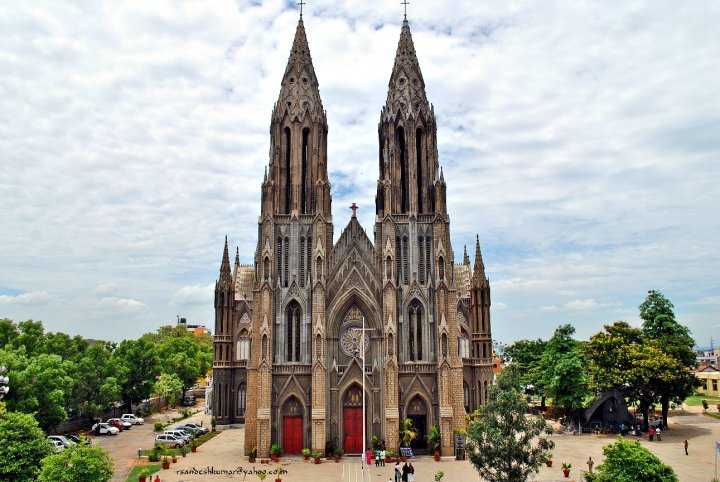
Recognized as the second tallest church of Asia, St. Philomena’s Church was constructed to pay tribute to the Catholic Saint and martyr of Roman Catholic Church, Saint Philomena. It is one of the most important historical sites in Mysore and is frequently visited by tourists from all over the country. Being one of the most distinctive landmarks of the city, it looks even more beautiful in the evening sky and is given religious importance having a Neo-Gothic style of architecture which makes it all the more famous amongst masses.


The foundation for the church was laid in the year 1933 by the then king of Mysore, Sri Krishnarajendra Wodeyar Bahadur IV for the European residents in the city. After the construction went on for about eight years, the church started functioning in the year 1941. The remains of Saint Philomena have been preserved here and are present even today. 

Saint Philomena was the daughter of the monarch of Greece and had always been a devotee of God and believed in him. She was taken to meet the Emperor when she was 13 years old, after which, the Emperor on seeing her beauty offered to marry her. However, she refused and the emperor ordered to have her executed. The church stands as a symbol of the secular viewpoint and the religious accord of Mysore.

History of St. Philomena's Church

St. Philomena’s Church was built in the year 1840 and was then known as St. Joseph Chavez. It started off with being a small church and got its present form under the rule of Maharaja Krishnaraja Wodeyar IV in 1933. The spectacular church was constructed for the European residents of the city. However, with the increasing number of people, a bigger church was needed. Its construction began in 1933 and was completed after a long period of 8 years in 1941. One can find the remains of St. Philomena is preserved in the church even now.

St. Philomena was the daughter of a monarch of a small state in Greece. The monarch and his wife had been childless, and after a lot of prayers, they were blessed with a baby girl who they named Philomena. The girl was devoted to God since birth. The monarch took his daughter along with him to Rome when she was 13 years old to seek some help from Emperor Diocletian. The emperor was mesmerized by the girl’s beauty and wished to marry her. However, Philomena refused to marry him for she was a follower of God. The emperor who could not handle this rejection went ahead and ordered to torture her and then got her executed. St. Philomena’s Church, as the name suggests, is dedicated to the girl.

Architecture of St. Philomena's Church

The church follows the Victorian (Neo-Gothic) style of architecture and follows the pattern of the Cologne Cathedral of Germany. The church is designed by Daly who was a French artist. The design is a cross with the congregation hall being the longest end of the cross, the transepts being the two arms of the cross, altar being the upper part of the cross and the choir is the crossing of the cross. The church has twin spires which are 175 feet high and can be seen even from a mile away. The spires resemble those of St. Patrick’s Church which is located in New York. There is a cross of 12 feet of height present on each spire.

There is a statue of St. Philomena present on the altar which is made up of marble. In the catacomb which lies beneath the altar, the remains of St. Philomena are kept. The hall of the church is large enough to accommodate 800 people. The sanctum comprises of stained glass windows and beautifully drawn paintings depicting events such as the birth, crucifixion, resurrection and last supper of Jesus Christ. These glasses were made in France. The church has three front doors along with few small side doors which open up in the prayer halls. Pillars of the church are adorned with beautiful flower patterns.

Patron Saint of St. Philomena's Church

St. Philomena was a Latin Catholic Saint and died as a martyr in the Roman Catholic Church. She was a Greek Princess in the 4th century who was also a disciple of the Lord. Her remains were found out in the catacombs of Saint Priscilla in Rome on 24th May 1802. A vessel containing dry blood along with some other symbols linking to her death were found in the tomb. From all these remains it was therefore concluded that a Christian known as Philomena was buried in the grave with the vessel of her dry blood proof of her death as a martyr.

St. Philomena's Church Timings

The church remains open from 5:00 AM to 6:00 PM on all days of the week.  

The mass is held in the morning from 5:00 AM to 9:00 AM and in the evening from 6:00 PM to 6:30 PM on weekdays.

On Sundays, the timings of the mass are from 5:00 AM to 6:00 AM, 6:00 AM to 7:00 AM in the morning and from 6:00 PM to 6:30 PM in the evening.
 

Tips For Visiting St. Philomena's Church

1. Visitors are not allowed to take photographs in the church.
2. Holy Mass is conducted every day in the morning as well as evening. An annual feast is organized by the church on every 11th August.

The best time to visit the church is between the months of September to February since at this time the weather is pleasant and worth enjoying.

How To Reach St. Philomena's Church

St. Philomena’s Church lies at a distance of about 2 km from the Mysore Palace and 3 km away from the local city bus stand on Mysore’s Ashoka Road. Tourists can take an auto-rickshaw or hire a taxi to reach the church.
 

Karanji Lake

Karanji Lake

Karanji Lake, also known as the fountain lake, is a popular picnic spot. Visitors are allowed to bring packed food, and there is a coffee shop as well. It is a beautiful place to explore the different species of birds as the lake exhibits as many as 147 species including herons, Asian openbill storks, cormorant, grey pelican, etc.


The Karanji lake is said to possess the largest aviary in the country. Its set up cost was nearly 3.8 million, and it measures 20m in length, 50m in breadth and has a height of 60m. There is a waterfall too with two water bodies alongside. The lake also consists of a butterfly park which is home to more than 45 species of beautiful butterflies fluttering their wings and flying around in brilliant colours. Nectar, as well as host plants, have been planted in the park to help the butterflies sustain. The mesmerising lake also consists of a Regional Museum of national history which is situated on the banks of the lake giving out information on the natural environment of South India and how to maintain it.

The enthralling lake was formerly a part of the Mysore Zoo and is under the control of Mysore Zoo Authority. The Karanji lake measures around 90 hectares (out of which 55 hectares is the water area, and 35 hectares was the foreshore area) and due to its popularity earn revenue of about INR 50,000 per day. It was initially constructed by the king of Mysore as a percolation tank and became a property of Mysore Zoo Authority in 1976. The area is adorned with lush greenery and abundance of fauna, making it a top-rated tourist attraction.

History of Karanji Lake

Before the lake was built, a percolation tank was constructed in its place by the king of Mysore to provide the residents of the city with drinking water to complete their household chores like washing clothes, utensils, bathing etc. The Karanji lake was taken over and made a part of the Mysore zoo in 1976. Since then, it is being maintained under the Zoo authority of Mysore. This lake covers an area of 90 hectares out of which the water area is 55 hectares and the remaining 35 hectares in the forest area.

Things To Do at Karanji Lake

A stroll around the lake in the beautiful natural setting is sure to rejuvenate your mind and soul. Apart from the breathtaking scenic beauty, Karanji Lake has a lot of facilities as well. They even have a special kid’s corner, to keep your children entertained throughout the visit. Visitors can also enjoy the pristine lake by boating here. It is a great picnic spot for families, with a coffee booth present as well. Along with the aviary, Butterfly Park, waterfall and the museum; visitors can just only have their leisure time spent here at peace.

This natural habitat has the largest aviary in the country. It is in the form of a massive net enclosure which reaches as high as a big tree. Visitors are free to walk through this aviary and have a closer look at the various species of birds. The aviary has peacocks, wildfowls, geese and other exotic species of birds. Near the aviary, there is a vast enclosure that houses the Sarus Cranes. These birds are the tallest flying bird in the world and measures up to 6 feet in height.

There is a birdwatch tower overlooking the lake as well. From this watchtower, it takes about 15 to 20 minutes to reach the Butterfly Park. This park is located on an island in the lake. It is home to about four dozen butterfly species. These butterflies are attracted to the rare plants that grow here. You can spot various species flying in the park. Right opposite to the entry of Karanji Lake, one can locate the colonial-style building that houses the Mounted Police Headquarters.

Boating at Karanji Lake

The boating point is located at less than halfway through the park. You can choose between hiring a pedal boat or a boat with boatman to row for you. The boat takes you to round trips around the bushy islands in the Karanji lake.

You can purchase your ticket for boating from the counter near the entry of boating point. The price of the ticket is around INR 25 per head for a 20-minute ride. The boating is quite enjoyable and refreshing.

Karanji Lake Timings and Entry Fee

Karanji Lake is open for visitors from 8:30 AM to 5:30 PM on all days of the week, except on Tuesdays.

People can enjoy the serenity and tranquillity of this beautiful lake at minimal prices. The entry fee is INR 10 per person. They charge you a bit extra if you are here for some photography. Video cameras are charge INR 25 while still cameras are charged at INR 10.

Tips For Visiting Karanji Lake

1. The best time to visit the lake is during sunrise and the sunset. The lake looks even more endearing at that time of the day.
2. One must carry along a torch, food packages and lots of water while visiting Karanji Lake.

Winter months experience the most pleasant weather in Mysore. The temperature ranges between 15 degrees and 30 degrees Celcius. Thus, it is the best time for travellers to visit the Karanji Lake.

How To Reach Karanji Lake

Karanji Lake is situated 2 km away from the Mysore Palace. It lies nearly 5 km away from the railway station of Mysore, and one can quickly hire an auto-rickshaw or a cab from the bus station or the railway station which are near to the lake.

It is nestled at the bottom of the majestic Chamundi Hills, which are home to the famous Chamundeshwari Temple. The lake lies at the centre of the city and in proximity to the bus stand; making it very easily accessible.

Jaganmohan Palace

Jaganmohan Palace

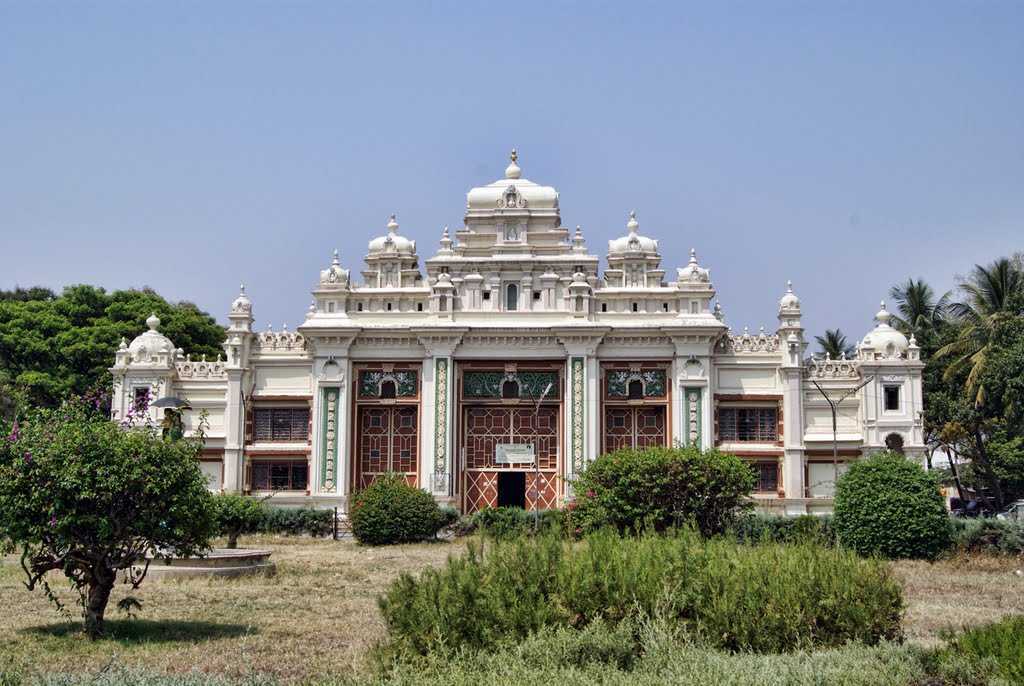
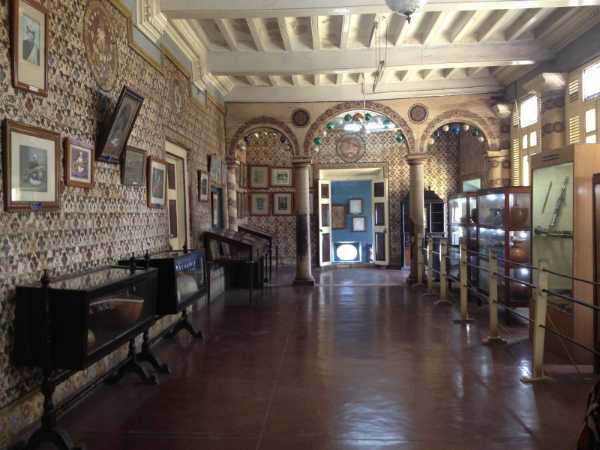
Situated in the royal city of Mysore, the Jaganmohan Palace is a spectacular edifice that has an illustrious history attached to its name. It was used by the Wodeyars of Mysore when their main residence Amba Vilas Palace was under renovations post a fire incident. It is one of the seven palaces that are situated in the city and is counted as one of the most beautiful contributions of the Wodeyar Kings of the city during their reign. The Jaganmohan Palace was converted into a magnificent art gallery and today hosts some of the most exquisite pieces of artwork for the public to see.


Jaganmohan Palace held an important position in the administrative and legislative affairs of Mysore for a long period. From hosting the early convocations of the Mysore University to holding the first session of the Legislative Council of Mysore, this facade has seen it all. Finally, in 1915, the palace was deemed fit to be an art gallery and is a safe house for as many as 2000 paintings which pertain to various art forms such as Mysore, Mughal and Shantiniketan.

Mimicking the beautiful art that is housed within, the architecture of Jaganmohan Palace is intricate and detailed beautifully. The main door is a beautiful example of the typical Hindu style of architecture and two wooden displays illustrating the ten incarnations of Lord Vishnu embellish the premises as well. Visit this destination to experience the history of Mysore through colours and pictures that will leave a long-lasting impression on your mind.

History of Jaganmohan Palace

The Jaganmohan Palace was built in 1861 by His Highness Krishnaraja Wodeyar III as a resort for the royal family. The Mysore Palace, which was the original home of the royal family was burnt down in a fire and the construction of a new palace in its place was started in 1897. In the meantime, the Jaganmohan Palace was used by the royals as their home.

In the year 1902, King Rajarshhi Nalvadi Krishnaraja Wodeyar was installed to the royal throne and this grand occasion was held in the premises of the Jaganmohan Palace. The palace was also used as the special Dusara Durbar by the king during the festive season, and was finally reinvented as an art gallery in the year 1915.

Architecture of Jaganmohan Palace

The construction of the Jaganmohan Palace has been done along the lines of traditional Hindu style of architecture and is built over the course of three stories. An external facade gives way to three entrances where the entablature is embellished with religious carvings and miniature temples.


The interior is ornamented with murals and paintings which pertain to the Mysore style of artwork and depict scenes from Dasara and Jumbo Savari. Incidentally, it is one of the first known paintings of Mysore Dasara that had been painted using vegetable dyes. A family tree of the Wodeyars is also present within the Jaganmohan Palace, which delves deep into the history of this amazing destination.

How To Reach Jaganmohan Palace

Jaganmohan Palace is located opposite the City Bus Stand, so you can easily reach this destination by the means of bus. Other than that, you can hail a cab or hire an autorickshaw.

Somanathapura Temple

Somanathapura Temple

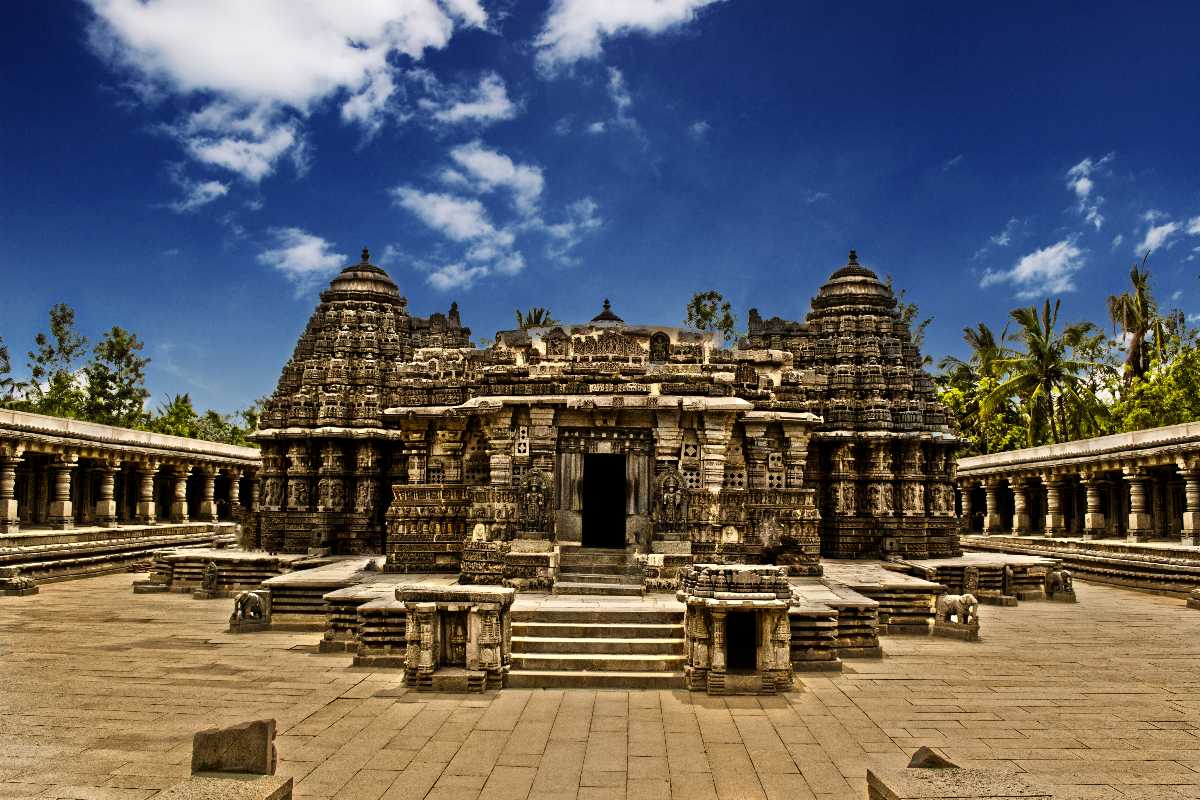
On the banks of Holy river Kaveri is a tiny tranquil town of Somanathapura. Here stands the finest and most exemplary monument of Hoysala architecture known as the famous Prasanna Chennakesava Temple or simply the Kesava Temple. Consecrated in the year 1258 CE, it is a Vaishnav Hindu Temple dedicated to might and beauty of Lord Krishna (Chenna= Beautiful and Kesava= Krishna). Tourists from near and far come to visit the temple to get a view of the beautiful place. The Chennakesava temple is one of the 1500 Temples built by the Hoysala Empire kings in different parts of their kingdom, and is said to be the climax development in Hoysala temple style and yet is unique in many other ways. 


A classic example of the famous Hoysala architecture, and is one of the three temples of the kind to be nominated in the Unesco World Heritage list. Unfortunately, this temple is no longer used as a place of worship because the idols have been broken and desecrated by the invading Muslim armies. However, the beauty of the temple still charms thousands of visitors who visit the site to witness the magnificent artistic and engineering achievements of the era, to seek the Lord’s blessing and admire the delicate carvings and sculptures, whose beauty is unequal and as unique as the God that it houses.

History of Somanathapura Temple

Somanathapura, the town was founded by a general named Somanatha Dandanayaka in the 13 century, while he was in the service of Hoysala King Narasimha III. After that, he sought the king’s permission and granted lands and resources to Brahmins to build and maintain the temples in the town, Somanathapura (known after the name of the patron). In the heart of this new town, General Somanatha built the Kesava temple and consecrated it in 1258 CE. Additionally, several other Hoysala style temples were also built in the city but all these except the Lakshmi Narasimha temple has disappeared or are in ruins after the wars between the Hindu kingdoms and Muslim sultanates ravaged the region.

According to inscriptions, the Chennakesava Temple also suffered huge damage due to the war in the 14th century but was repaired a century later by the grants and financial aid given by the Vijayanagara Empire kings. The difference in the color of stones and quality of work in the verandah and some parts of the northern tower and platform of the main temple is the evidence of these repairs. Once again, the beautiful temple suffered another bout of damage in the 19th century and was again repaired in the early 20th century by the colonial era Mysore government.

Architecture of Somanathapura Temple

This intricately carved and tastefully architectured temple was built in the 13 century on the banks of the beautiful river Kaveri. Unique and beautiful Hoysala architecture is one of the many features of the place that has made it famous all around the world. The whole temple complex, its gates, mandap and inscription stones are carved out of soapstone that enabled the artists to carve out the beautifully intricate artwork.

Outside
The Chennakesava Temple is enclosed in a walled courtyard that has the ornate main gate or Mahadwar. Outside this Mahadwar stands a tall pillar having a statue of the Garuda on top, that was considered as Lord Vishnu’s vaahan (vehicle). The Garuda statue is now missing. As one enters from the Mahadwar, an open public courtyard, with the main three-towered temple in the centre, comes into view. The walls of the courtyard are frames a rectangular verandah with an array of 64 shrines. 

Main Temple
The main temple is built on a jagati, symbolizing a worldly platform, with the idol of Lord Vishnu on top. It is about 3 feet high and is shaped in the form of a star with stairs for climbing up on the east end. Near the stairs are the shrines of two dwarpals (gatekeepers), which are now damaged. Around the jagati is a narrow pradakshina patha (circumambulation path). While doing the parikrama, one can read pictorial stories of Ramayana, Mahabharata and Bhagavata Purana legends in the correct sequence.

Outer Walls
The outer walls of the Somanathapura Temple have horizontal patches of artwork carved into them divided into three major sections. The lowest section showcase a row of elephants, marching in the clockwise direction. Above the elephants is a row of armed riders mounted on horses or camels. The band further above represents flowers, fruits and occasionally some peacocks and wildlife. Another band above it is the mythology frieze depicts the legends and spiritual capturing stories found in the Ramayana, the Bhagavata Purana and Mahabharata. The upper level of the wall has nearly 200 relief carving showing the life of the people. Most of them are defaced or damaged. Apart from that, there are various other carvings of deities, predominantly Vishnu in his various aspects and avatars. 

Navranga
As one enters the wooden door to the inside of the temple, there is a Navranga with its usual nine squares as mentioned in ancient Hindu texts. There are three ankanas and jagali platforms for the visiting devotees to sit. The interior here and the Navranga suggests that the temple was designed per Panchayatana puja architecture found in Smarta Hindu tradition.

Pillars and Ceiling
The colossal mandap hall is supported by various posts. The four centre pillars portray common life themes stacked in sequence: disc, bell, pot, wheel and umbrella. The four central square pillars yakshas and brackets that are either damaged or have disappeared. Two other pillars on the east are in the shape of 32 pointed stars.

Best Time To Visit Somanathapura Temple

The best time to visit the temple is during from October to March. During the rest of the year, the temperature in this part of the country is soaring high and is very humid, making the journey uncomfortable.

Tips For Visiting Somanathapura Temple

1. Photography is strictly prohibited inside the main complex.
2. Pets are not allowed in the temple.
3. You may sit in the open garden surrounding the temple but maintain cleanliness.  
4. You can avail the facilities of a government certified guide for a fixed rate of INR 300 per 30 minutes.

How To Reach Somanathapura Temple

Somanathapura is well connected via road from Mysore, Srirangapatna and Bangalore. You can take bus service from Mysore and Srirangapatna to Somanathapura or hire a private taxi from these cities to visit the temple. Parking facility is available outside of the complex. There is also a railway station in Somanathapura from where you can avail a local transport to take you to the Chennakesava Temple.

Chamundeshwari Temple

Chamundeshwari Temple

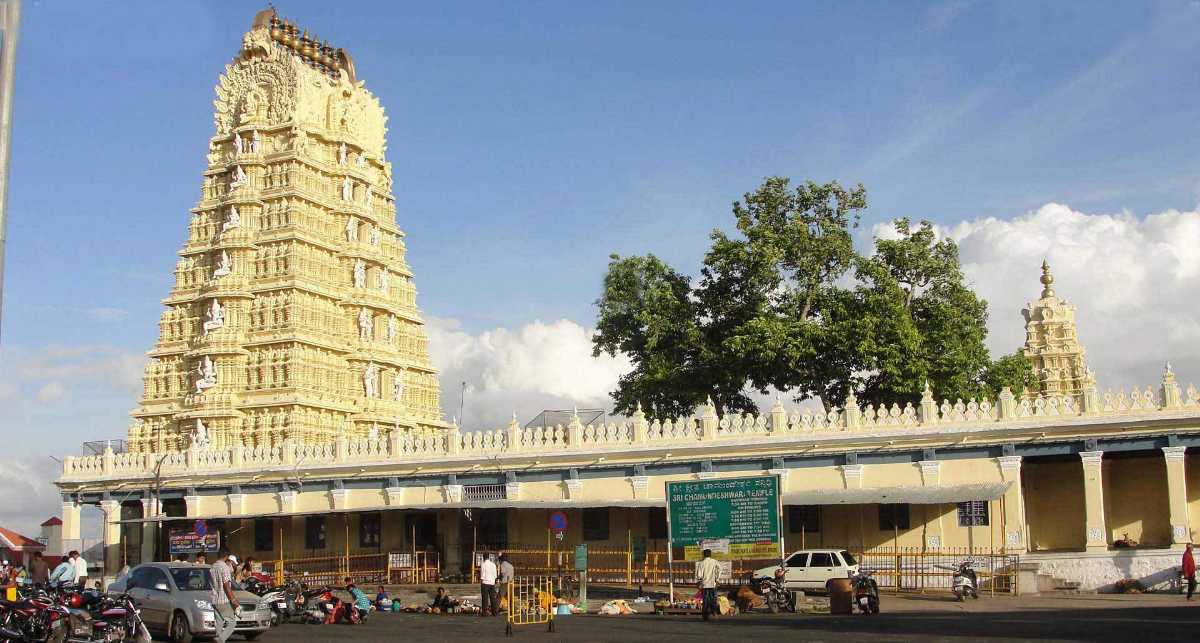
The Chamundeshwari Temple is a traditional Hindu temple located on the eastern edge of Mysore at the height of 1000ft on the Chamundi hills. Dedicated to and named after goddess Durga, the temple also has statues of Nandi and Mahishasura, the demon. Being one of the oldest temples in the palace city of Mysore, the temple is a must-visit attraction for the travellers. The Chamundeshwari Temple is considered as a Shakti Peetha and is one among the 18 Maha Shakti Peethas.


There are two options for the visitors to reach the Chamundeshwari temple, either by steps or by driving through the interwoven valley road. The temple showcases the fierce form of Shakti, a tutelary deity that was held in reverence for centuries by the Maharajas of Mysore; hence deriving its name from goddess Durga. The idol of goddess Durga here is adorned every day and worshipped by a number of priests. The deity is offered a variety of fruits, coconuts and flowers to show respect and reverence.

Located atop the Chamundi hills, the temple is usually not too crowded. The Chamundeshwari temple also has statues of the demon Mahishasura; you can even see the enormous statues from the way driving up to the temple. The temple also has a Nandi statue, which is that of a cow and holds great importance in the Hindu mythology. The view from the temple is stunning, as you can see many significant structures of the city including the Lalitha Mahal Palace. The temple has also been declared as the No Plastic Zone, thus making a huge contribution to the conservation of our environment by curbing the use of plastics and dumping of hazardous materials.

History of Chamundeshwari temple

This temple, of great antiquity, has a background of over 1,000 years. It was built as a simple shrine but later gained immense popularity due to the divinity of goddess Durga. It gained a lot of significance after the Maharajas of Mysore, the Wodeyars, came to power in 1399 AD. The credit for major contributions for this temple goes to three dynasties- Hoysala, Vijayanagar and Mysore rulers. Placed on the top of the Chamundi hills, the Chamundeshwari temple is one of the most popular and ancient temples of Mysore. According to history logs, the original shrine was built in the 12th century by the Hoysala rulers, with the towers being built by the Vijayanagar rulers of the 17th century. Further, a flight of one thousand steps was built in 1659 that leads up to the 3000-foot summit of the Chamundi Hill.

Architecture of Chamundeshwari Temple

The Chamundeshwari temple exhibits a quadrangular structure. It is built in Dravidian style, consisting of the main doorway, entrance, Navaranga Hall, Antharala Mantapa, Sanctum Sanctorum and Prakara. There is a beautiful seven-stage pyramidal tower at the entrance and a small tower on top of the sanctum sanctorum. On the top of the tower placed at the entrance, there are seven golden Kalashas. The tower at the entrance also has a small image of Lord Ganesha on the doorway. The doorway is silver-plated and has the images of the Goddess in different forms.

As one enters inside, on the right-hand side is a small statue of Lord Ganesha. After a few steps; there is a flagstaff, the footprints of the Goddess and a small statue of Nandi, facing the sanctum sanctorum. This temple is of great antiquity and symbolises the crown of Mysore. The Nandi statue is considered to be built by granite and is placed on the 800th step on the hill. It is adorned with metallic bells around its neck and measures about 15 feet high.

Chamundeshwari Temple Timings

The opening hours of the temple are as follows- 7:30 AM to 2:00 PM, 3:30 PM to 6:00 PM, 7:30 PM to 9:00 PM. These are the Darshana and Pooja timings at the temple.

While the timing for Abhisheka is 6:00 AM to 7:30 AM and 6:00 PM to 7:30 PM. Although on Fridays there is a change in the timings, i.e., 5:00 AM to 6:30 AM.

The temple also offers free meals known as Dasoha for the devotees daily from 12:30 PM to 2:30 PM.

Best Time To Visit Chamundeshwari Temple

Chamundi Hills offer the best panoramic view of the Mysore city during the months of September to October. Although, the weather is quite pleasant throughout the year; the temple is highly flocked during the months of September and October due to festivals of Dussehra and Diwali. The temple can be visited in the dawn as well as at dusk.

How To Reach Chamundeshwari Temple

The Chamundeshwari temple is located at a distance of 13 kilometres from the Mysore junction train station. The auto rickshaws have nominal charges. It takes about 30 minutes to drive from the station to the Chamundi Hills. Also to provide ease and comfort to the travellers, KSRTC bus facilities are available every 20 minutes from Mysore city bus stand to Sri Chamundeshwari Temple.

Mysore Zoo

Mysore Zoo

Sri Chamarajendra Zoological Gardens, also known as the Mysore Zoo is one of the best zoological gardens in India. Maharaja Chamaraja Wodeyar established this Zoo in the year 1892 for the Royals. Furthermore, after the attainment of freedom, it was handed over to the Department of Parks and Gardens of the State Govt. The Zoo’s meticulous planning is responsible for making it a special zoological garden. It tends to create a natural habitat for the animals in it. From Big to small cats, Aquatic to terrestrial birds, and Primates to reptiles, one Hundred and Sixty-Eight species find their place in this zoo. The world’s first caesarian section delivery performed on an elephant in Mysore zoo gave it global fame and recognition.


Located near the palace in Mysore, The Zoological Garden covers an area of 157 acres. It is one of the oldest and most famous zoos in India. It plays the role of an orphanage to the abandoned animals. Various exhibitions are regularly held here with an insect exhibition stealing the show. Following this, the Zoo carries forward certain Education Programmes such as Youth Club activities, Literary Competitions, and Summer Camp activities. The Karanji Lake was put under Zoo jurisdiction in 1976 and since has been a calm and serene place for boating.

History of Mysore zoo

Initiated in 1892, the zoo has been under the control of different kings and governments. Naming it after its founder Sri Chamarajendra Wodeyar Bahadur in 1909 was a way of extending thanks for his efforts in its creation. During his visits to European countries and Africa, the Maharaja used to bring animals which fascinated him. These included Giraffe, Antelopes, Bears, Chimpanzee, and Primates. It has till now established a niche for being a home to some of the rarest family members like American Bison, Californian Sea lions, Guanaco, Polar Bear, Secretary Bird, Kangaroo, Penguin, and White Elephant in the past.

Mysore zoo did not start big. At first, the zoo had only 10.9 acres of land to its use. Gradually with time, more land was allotted giving an opportunity for sheltering more animals. The Mysore Maharajas and the Government together groomed and nourished the gardens. The official control of the zoo was passed on from the Royalty to the Horticulture Department in 1948 and then to the Forest Department in 1972. In 2001, clubbing of all the zoos in the state under the Zoo Authority of Karnataka took place.

Flora and Fauna in Mysore Zoo

  • Fauna

The Mysore zoo is the only zoo in India to have a Gorilla. The zoo is also a house to Chimpanzees and Orangutans. Other exotic animals that you can find in Mysore zoo are Giraffes, Zebras, White Deer, African Elephants, Bears, Porcupines, Rhinoceros, Tapir, Otters etc.

Birds like White and Blue Peacocks, Silver and Gold Peasant, Horn Bill, the flightless Emu and Ostrich, Spoon Bill, Pelican, Painted Stork, brightly coloured Flamingos, the largest bird of India the Sarus Cranes, Love Birds, various types of Parrots, Vultures, Eagles etc. can be seen here.

Next, it shelters the reptiles like cobras, King Cobra, Python, crocodiles, alligators and even the star-studded turtles.

The list doesn’t end here. The Zoo has the rarest of the animals in its womb. These are red kangaroos, lemurs, sun bear, the female chimpanzee, binturong, Indian rhinoceros, Hanuman langurs, white peafowl, Indian lions, zebra, Rhea, red ibis and baboons.

All these in a single place! Can you just imagine the thrill?

  • Flora

The Zoo takes care of thirty-five species of exotic ornamental plants and 85 species of trees from India and abroad.

Mysore Zoo Timings and Tickets

The Zoo remains open on all days except for Tuesdays from 8:30 AM – 5:30 PM. If you wish to make your visit to this zoo a success by having a look at the maximum number of creatures it has then either go before 11:00 AM or after 3:00 PM. During the afternoon, most of the animals and birds remain inside due to which the visitors aren’t able to watch them. Hence, visiting between 11:00 AM – 3:00 PM won’t fetch you many advantages.

Cost of tickets varies on weekdays and weekends. The website of Mysore Zoo has an online booking portal. 

Weekdays
Charges for Adults are Rs 50 per head
Charges for Children (5-12 years) are Rs 20 per head

Weekends and Government Holidays
Charges for Adults are Rs 60 per head
Charges for Children (5-12 years) are Rs 30 per head

You need to pay for vehicles Vehicles separately. Remeber you are subjected to pay an additional fee if the time exceeds four hours. 

Cycle is chargeable for Rs 5
Scooter / Motor Cycle is chargeable at Rs 10
Car / Jeep / Auto is chargeable at Rs 30
Mini Bus / Tempo is chargeable at Rs 50
Bus is chargeable at Rs 70

Lastly, carrying a video camera requires you to pay a sum of Rs 150 each and a still camera Rs 20 each.

Best Time To Visit Mysore Zoo

It is advised to visit the zoo in the morning or the evening hours as birds are most active in the morning while the mammals are active during the evening. Those who visit the zoo during the day hours might not spot any animals as they prefer to rest in the day due to severe hot conditions.

How To Reach Mysore Zoo

One can easily locate the Mysore Zoo as it is 3 km away from the Mysore Bus stand and 2 km away from the Mysore Palace. Horse carts run between the palace and the zoo. Moreover, Local buses and auto-rickshaws are readily available. If travelling by private vehicle, there is parking facility right across the entrance of the zoo.

Brindavan Gardens

Brindavan Gardens

The Brindavan Gardens, spread over 60 acres, is located at a distance of 21 km away from Mysore. Built across the notable river of India, Cauvery, it took around five years to complete the project. The well-synchronised fountain show with music, boating and well-manicured grass with flowerbeds are some of the top experiences of Brindavan Garden.


Constructed in 1932 by the Diwan of Mysore, Sir Mirza Ismail, Brindavan Garden is visited by millions of tourists every year. Divided into two parts, north and south, boating facility offered by the Karnataka State Tourism Development Corporation which connects the two parts along with a walkway bridge.

History of Brindavan Gardens

The Brindavan Gardens are built in the complex of Krishnaraja Sagar Dam (KRS Dam) which is in Srirangapatna taluk of Mandya district. Sir Mirza Ismail, the then Diwan of Mysore wanted to enhance the beauty of the area around KRS Dam. Therefore, the construction was started in the year 1927 by the Department of Horticulture and was completed in 1932. Built across the prominent river Cauvery, the designs of Brindavan Gardens have been inspired by the breathtaking Shalimar Bagh of Kashmir which was created in the ancient Mughal Style. Now, the garden is maintained by Cauvery Irrigation Department, Government of Karnataka.

Brindavan Gardens Light Show & Musical Fountain

The main attraction at the Brindavan Gardens in Mysore happens to be the beautiful array of musical fountains. Coupled with laser lights, these fountains are synchronised to music and go live at the time when the garden is lit up. The flow of water is digitally controlled, which in turn operates an aquatic organ. The pressure from the nearby dam fuels these fountains to put up a colourful display for the visitors, who can also visit a rain shelter and a gallery. The songs played range from soulful instrumental to patriotic songs. On weekdays, you will get to enjoy the scintillating show for one hour from 6:30 PM to 7:30 PM while on weekends, the show extends with one hour and the timings are 6:30 PM to 8:30 PM.

Brindavan Gardens Horticulture Farms

Brindavan Garden also has two beautiful horticulture farms. The Naguvana Horticulture Farm, located near the main gate, covers an area of 30 acres. It houses different types of plants and it has the Horticulture Training Centre of the Department of Horticulture which trains the local youth. The other farm is the Chandravana Horticulture Farm, which is smaller comparatively and is situated in the heart of River Cauvery. It covers an area of approximately 5 acres. Succulent mango trees and coconut trees are grown here.

Best Time To Visit Brindavan Gardens

The ideal time to visit Brindavan Garden is between October to February since winters are not too cold. The mercury lingers between 20 to 25 degrees Celsius. The blistering heat during summers and rainfall in monsoons make the visit uncomfortable. In summers, mercury soars up to 40 degrees Celcius.

When it comes to the best time of the day, evenings are certainly perfect to enjoy and reminisce the natural beauty all around. You can also witness the vibrant musical fountain show held in the evening. The captivating view of the sunset will definitely overwhelm you.

How To Reach Brindavan Gardens

Brindavan Garden is located on the KRS Dam Road near the town, Mandya. The distance between the Mysore city and Brindavan Garden is around 21 Km. Regular buses operated by state government ply from the city’s bus stand to the garden. It takes around 15 minutes by bus. However, you can take an autorickshaw or a taxi also.

Mysore Palace

Mysore Palace

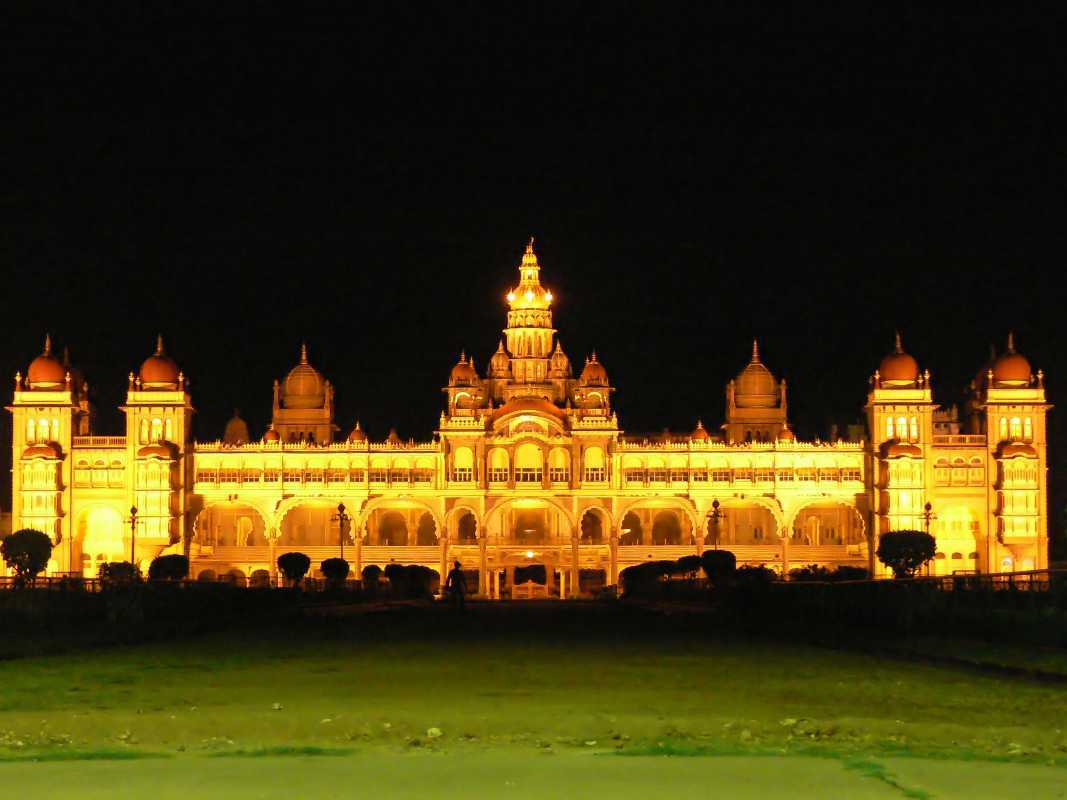
An incredibly breathtaking example of Indo – Saracenic style of architecture, the Mysore Palace is a magnificent edifice located in Mysore in the state of Karnataka. Also known as the Amba Vilas Palace, it is the former palace of the royal family of Mysore and is still their official residence. Mysore Palace was built in the year 1912 for the 24th Ruler of the Wodeyar Dynasty and is counted amongst one of the biggest palaces in the country.

The construction of the Mysore Palace was orchestrated by the Maharaja Krishnaraja Wadiyar IV referred as “Rajarishi” (saintly king) by Mahatma Gandhi. It was then further expanded by his son and the last Maharaja of Mysore, Maharaja Jayachamaraja Wadiyar. The facade of the palace is a harmonious blend of Hindu, Muslim, Rajput and Gothic styles which imparts it a regal quality. With the Chamundi Hills towards its eastern side, the spectacle of the Mysore Palace is an enchanting sight to behold. Needless to say, it is the second most visited historical monument visited by both local and foreign tourists after the Taj Mahal. Presently located inside the Old Fort, Mysore Palace is renowned for its light & sound show and vibrant Dussehra celebrations.

Architecture of Mysore Palace

The Mysore Palace is built in the Indo-Saracenic form of architecture which is an exquisite blend of Hindu, Muslim, Rajput and Gothic styles of architecture. The Indo-Saracenic architecture was an architectural revival movement by British architects in the 19th century, drawing elements from Indo-Islamic and Indian architecture mixed with Gothic and Neoclassical styles. It is a three-storeyed stone palace with marble domes and has a 145 ft tall five-storeyed tower. There is a large garden surrounding the palace. Entry to the palace is through “Gombe Thotti” or Doll’s Pavillion with traditional dolls of different times displayed and a wooden elephant decorated with gold. The kingdom’s motto, “never be terrified” is written in Sanskrit on the entrance gate and the arch.

It has three gates towards the east (opens only during the Dasara celebrations for VVIPs), west (opens only during the Dasar celebrations), and south (for public). There are many secret tunnels from the palace cellar that lead to Srirangapatna and other confidential areas. The Mysore Palace faces the Chamundi hills as the maharajas of Mysore were said to be devotees of Goddess Chamundi. There are twelve temples inside the complex with construction time ranging from the 1950s to as back as the fourteenth century.

The private hall or the “Ambavilasa” is a luxurious hall with doorway carved out of rosewood. The king used to hold private meetings with ministers here. The Darbar Hall or the “Diwan-I-Am” is a 155 ft high public hall which was used for public announcements and hearings.The royal throne inside the Diwan-I-Am; displayed to the public only during the Dasara celebrations is an artistic masterpiece with mesmerising artwork on the gold covered throne. The wedding hall or the Kalyan Mandapa is another massive octagonal shaped hall south of the palace with glass ceilings and glazed tile flooring. The ceiling is filled with intricate kaleidoscopic artwork.

Mysore Palace Light and Sound Show

An impressive light and sound show takes place at the Mysore Palace every day in the evening except for Sundays and public holiday.

LanguageDay and TimeAmount
(Inclusive of GST)
Kannada Monday to Wednesday (7:00 PM to 8:00 PM)
Saturday (8.15 PM to 9.15 PM)
Adults: INR 70
Children: INR 30
EnglishThursday to Saturday (7:00 PM to 8:00 PM)Adults: INR 90
Children: INR 40

History of Mysore Palace

The Mysore Palace has a rich history attested to it. It used to be the residence of the royal Wadiyar family of Mysore from 1350 to 1950, for almost 600 years. During its lifetime, the palace had been built and rebuilt many times. In 1897, the then ruler of Mysore, Krishna Rajendra Wadiyar IV, ordered the restoration and reconstruction of the palace after a wooden palace was destroyed by fire at a wedding ceremony. Lord Henry Irwin, the British architect, was commissioned to replace the older palace which had gotten burnt during a fire in 1897. The palace’s construction was completed in 1912 and cost an exorbitant amount of INR 41,47,913 at the time.

In 1940, several renovations were made in the palace structure, which included the Public Darbar Hall.The descendants of the royal family continue to reside in one portion of the Mysore Palace, while most of the palace is now state-owned and converted into a museum. It’s one of the most famous and well-known attractions in India attracting more than six million tourists annually.

How To Reach Mysore Palace

Mysore Palace is located right in the heart of Mysore city. The Mufesal Bus stand is located just a couple of kilometres away from the palace. The KSRTC buses operate from this bus stand at short intervals. You can then walk from the bus stand to the north gate or the east gate of the palace. Alternatively, you can hire an auto rickshaw from the bus stand to the palace gate. If you are travelling by train to Mysore, you can hire an auto rickshaw from outside the station to reach the palace.

Tips For Visiting Mysore Palace

1. You need to remove your shoes. There are lockers for keeping shoes and they charge a minimal amount of INR 2
2. Audio information kits are available in 7-8 languages for interested people.


The best time to visit the palace is around the time of Dussehra when the entire compound is beautifully decorated and lit, illuminated in a golden hue.

The palace is lit every Sunday and on all public holidays.